Read more about the article The role of traditional media in building relationships between conservation agencies and communities
For many rural communities, local radio and community newspapers are not ‘old’ channels from a previous era. They are often the primary systems through which many people receive, interpret and respond to information about the landscape they live within.

The role of traditional media in building relationships between conservation agencies and communities

For many rural communities, local radio and community newspapers are not ‘old’ channels from a previous era. They are often the primary systems through which many people receive, interpret and respond to information about the landscape they live within.

Continue ReadingThe role of traditional media in building relationships between conservation agencies and communities
Read more about the article Flipping the script: Why ground staff need media training, not only executives
Field staff media training does not have to replicate the executive experience. Most ground-level teams do not need on-camera practice or crisis communication simulations. What they need is practical awareness.

Flipping the script: Why ground staff need media training, not only executives

Ask most organisations who they send to media training and the answer is quite predictable: the CEO, the communications manager, maybe a senior technical lead. The assumption is that media engagement is an executive function, reserved for the people who hold the biggest titles and the broadest mandates.But journalists do not always follow this script.

Continue ReadingFlipping the script: Why ground staff need media training, not only executives
Read more about the article CLIENT RELEASE: Masterplan launched to accelerate biodiversity economy in the Eastern Cape
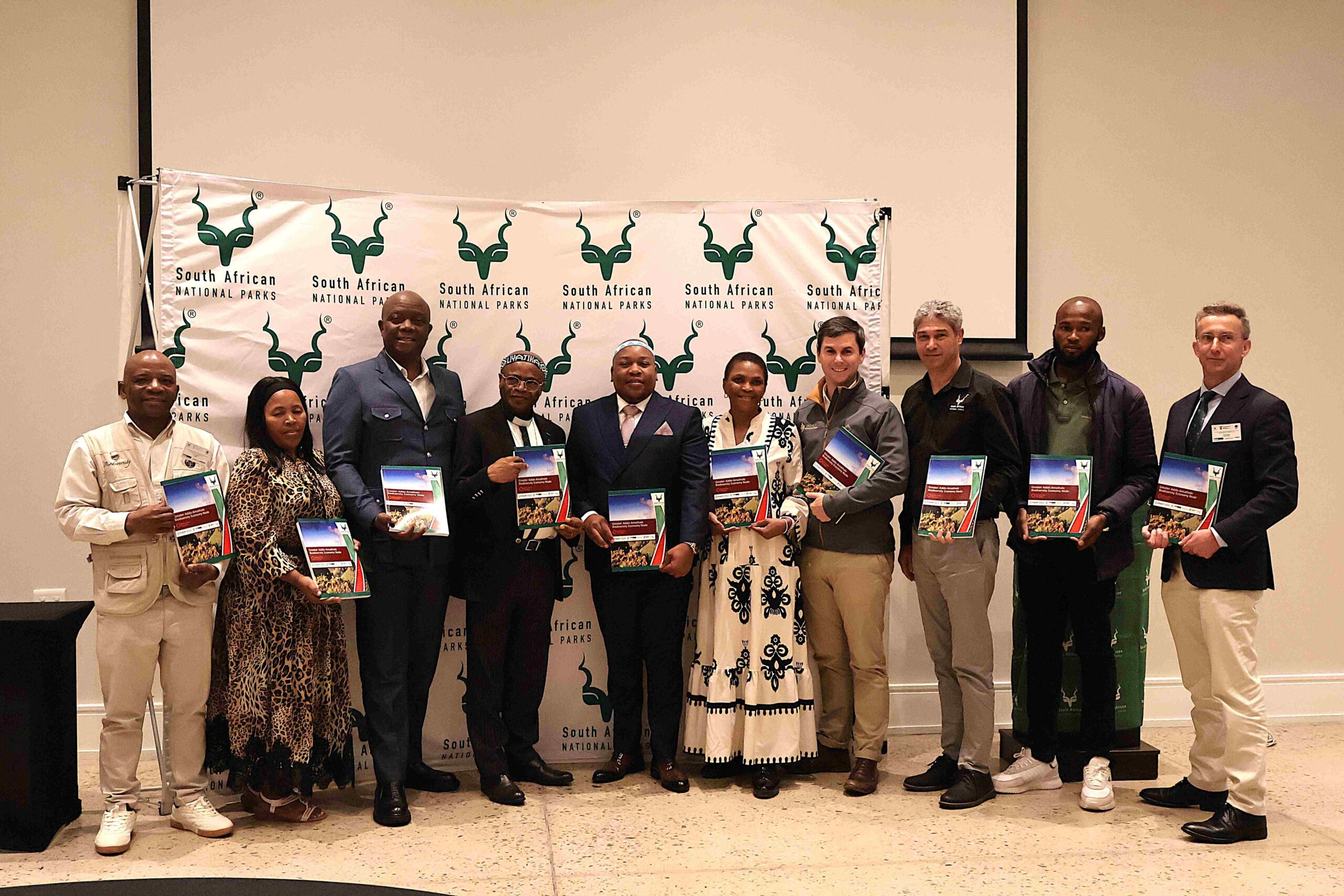
The Greater Addo-Amathole Biodiversity Economy Node (GAA BEN) Master Plan was formally launched during the 5th Multistakeholder Coordination Forum, held from 31 March – 01 April 2026, at Royal Saint Andrews in Port Alfred. The Master Plan is the result of a multi-year consultation process and sets out a clear framework for unlocking biodiversity economy opportunities across the node. Its launch signals the transition from planning to implementation.

CLIENT RELEASE: Masterplan launched to accelerate biodiversity economy in the Eastern Cape

The Greater Addo-Amathole Biodiversity Economy Node (GAA BEN) Master Plan was formally launched during the 5th Multistakeholder Coordination Forum, held from 31 March – 01 April 2026, at Royal Saint Andrews in Port Alfred. The Master Plan is the result of a multi-year consultation process and sets out a clear framework for unlocking biodiversity economy opportunities across the node. Its launch signals the transition from planning to implementation.

Continue ReadingCLIENT RELEASE: Masterplan launched to accelerate biodiversity economy in the Eastern Cape